
Why Franchising Your Business is a Powerful Growth Strategy
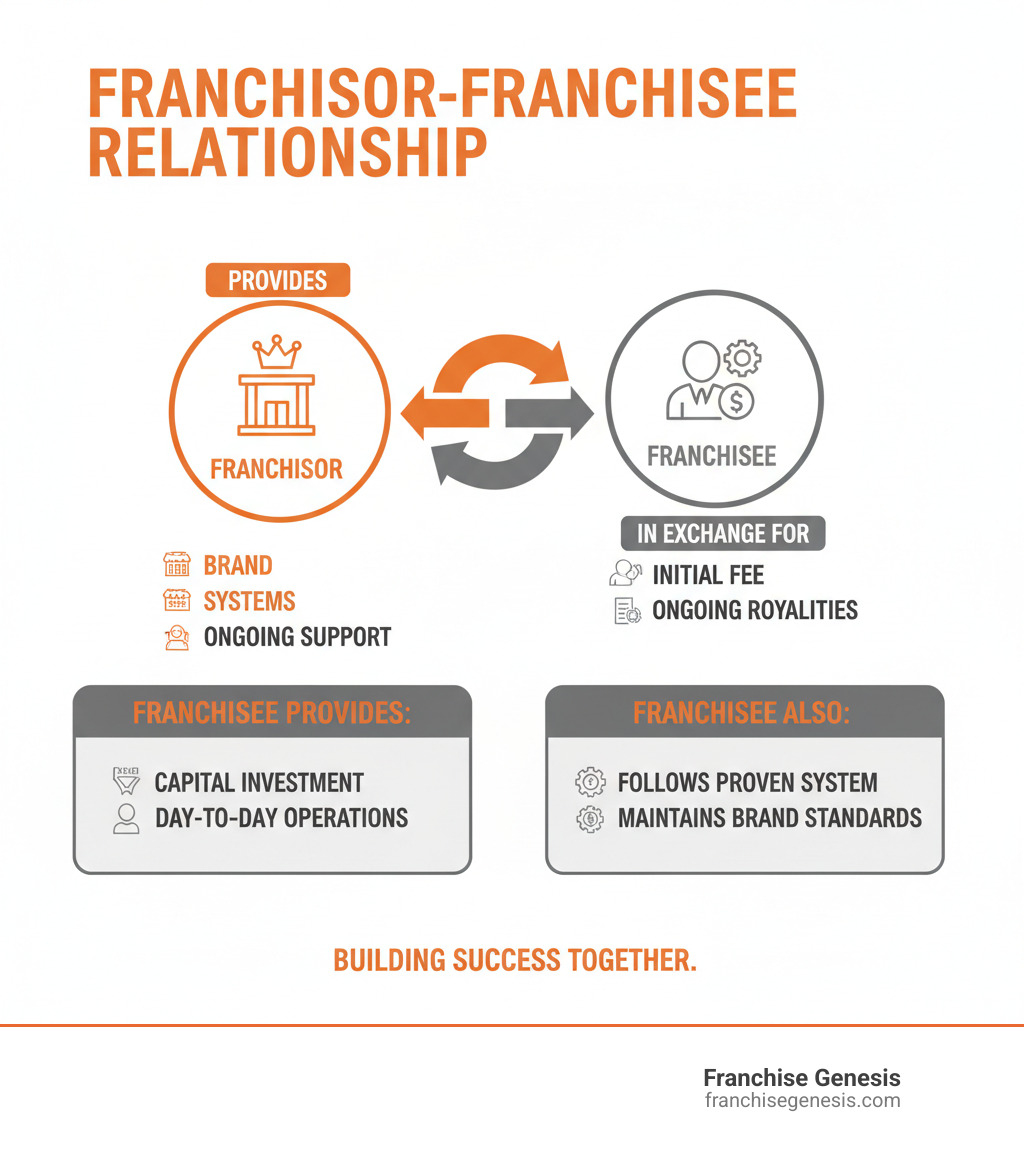
Franchise your business to expand rapidly by partnering with motivated entrepreneurs who invest their own capital and local market expertise. This strategy transforms your successful concept into a network of independently owned locations, building your brand nationwide while you collect fees and royalties. Instead of funding and managing every new location yourself, you provide a proven system, training, and ongoing support, empowering others to grow your brand for you.
Quick Answer: How to Franchise Your Business
- Assess readiness – Ensure your business has proven profitability, replicable systems, and strong customer demand.
- Develop legal documents – Create your Franchise Disclosure Document (FDD) and Franchise Agreement with a specialized attorney.
- Build your operations manual – Document every process and procedure for franchisees to follow.
- Register trademarks – Protect your brand through USPTO registration.
- Create marketing materials – Develop a franchise sales website and recruitment strategy.
- Launch and support – Sell franchises and provide ongoing training and guidance.
Timeline: 90-120 days | Investment: $18,500-$84,500 | Industry Size: $936+ billion
The numbers tell a compelling story. In the United States, the franchise industry is projected to exceed $936 billion in 2025, with franchise locations consistently outperforming company-owned stores due to owner motivation. However, franchising isn’t for every business. It requires proven profitability, replicable systems, and a fundamental shift in your role from operator to coach and brand steward.
I’m Monique Pelle Kunkle, Vice President of Operations at Franchise Genesis, where I’ve guided dozens of business owners through the process to franchise your business—from an ABA therapy concept that scaled to over 100 locations in its first year to wellness studios and mobile service businesses. My focus is helping you build the foundation for sustainable franchise success.
Learn more about franchise your business:
Is Your Business Franchisable? Key Criteria and Considerations
Not every successful business should become a franchise. Before you invest time and money, it’s crucial to assess if your business has the right foundation to franchise your business. Thriving franchise systems share specific characteristics, and verifying you meet these criteria is the first step toward sustainable growth.
Essential Criteria for a Franchisable Business
Think of franchising readiness as a recipe; you need the right ingredients. Here’s what we look for when evaluating a business’s potential.

-
Proven profitability is essential. Franchisees are investing their life savings and need to see a clear track record that your model generates healthy profits and a reasonable return on investment.
-
Your distinctive brand identity is what makes you stand out. A memorable name, recognizable logo, and strong market presence attract both customers and prospective franchisees.
-
Replicable systems are the heart of franchising. Every aspect of your operation must be documented and standardized so that a franchisee can deliver the same quality experience as your original location.
-
Your operations must also be scalable. The concept needs to work in different cities and regions, with different staff and varying customer demographics.
-
Strong customer demand beyond your current market is critical. We look for concepts that solve problems or fulfill needs that exist across multiple markets.
-
Your unique selling proposition (USP) answers why a franchisee should invest in you over another brand. This is your competitive advantage, whether it’s proprietary technology, a unique service, or an innovative product.
To properly assess these criteria, we recommend a Franchise Feasibility Study. This analysis provides an honest assessment of your franchising potential before you commit significant resources.
Weighing the Advantages and Disadvantages
Franchising offers tremendous opportunities but also comes with real challenges. Understanding both sides helps you make an informed decision.
| Advantages of Franchising Your Business | Disadvantages of Franchising Your Business |
|---|---|
| Rapid Growth: Leverage franchisee capital and effort for faster expansion than corporate-owned units. | Reduced Control: You’ll have less direct operational control over individual locations. |
| Leverage Franchisee Capital: Expand without significant capital outlay from your own business. | Profit Sharing: You share revenue (royalties) with franchisees, rather than keeping 100% of profits. |
| Motivated Owners: Franchisees are invested and driven to make their businesses successful. | Legal Complexity: Strict federal and state franchise laws require careful compliance. |
| Reduced Operational Risk: Franchisees manage local operations, hiring, and day-to-day expenses. | Ongoing Support Obligations: You’re committed to providing continuous training, marketing, and operational support. |
| Increased Brand Recognition: More locations lead to greater market presence and brand visibility. | Brand Consistency Challenges: Ensuring all franchisees maintain your brand standards can be difficult. |
| Diversified Risk: Operational risks are spread across multiple independent businesses. | Potential Disputes: Disagreements with franchisees can arise and require careful management. |
| New Revenue Streams: Initial franchise fees and ongoing royalties create consistent income. | Reputational Risk: A poorly performing franchisee can damage your entire brand’s reputation. |
The advantages are compelling: rapid growth using franchisee capital and a network of motivated owners. However, you must weigh these against the disadvantages, such as sharing profits, reduced operational control, and significant legal and support obligations. The biggest risk is damaging your brand through poor franchisee selection or inadequate support, as one bad location can tarnish the reputation of the entire system.
Key Traits of a Successful Franchisor
Being a successful business operator doesn’t automatically make you a successful franchisor. The skills and mindset are different.
As a franchisor, you shift from managing operations to leadership—setting the strategic direction for your network and inspiring a community of independent business owners. Coaching and mentoring skills become your primary tools, as you guide entrepreneurs to replicate your success. Your commitment to franchisee success must be absolute, as your financial success becomes directly tied to theirs. A brand protection mindset is essential to guard your reputation across all locations. Finally, you need long-term vision, as franchising is a commitment to building a network that can last for decades.
This evolution is one of the most significant you’ll experience. We explore this journey in our guide on Becoming a Franchisor. If you’re willing to develop these traits, you’re likely ready for the next step.
The Step-by-Step Process to Franchise Your Business
Once you’ve confirmed your business is franchisable, the next phase is building the system. This process transforms your concept into a replicable model. While comprehensive, the path to franchise your business is a clear, achievable roadmap. With expert guidance, most businesses can complete the development phase in 90 to 120 days and become legally able to sell franchises. Here are the critical steps.

Step 1: Strategic Planning and Financial Modeling
Before drafting legal documents, you must build your financial foundation. This involves structuring your franchise offering so both you and your franchisees can thrive.
-
The initial franchise fee, typically $35,000 to $45,000, is the upfront investment a franchisee makes. It covers their initial training, launch support, and access to your perfected systems.
-
The royalty structure is your ongoing revenue stream, usually 4% to 12% of a franchisee’s gross sales. This aligns your interests with your franchisees’ success.
-
An advertising fund, where franchisees contribute 1% to 3% of sales, powers system-wide brand building and marketing campaigns that benefit the entire network.
During this phase, we help you project franchisor revenue to ensure the economics work for sustainable growth. For a deeper look at franchisee investment, see our guide on Franchise Startup Costs.
Step 2: Developing Your Legal Documentation
Franchising is a heavily regulated industry. Proper legal documentation protects you and your franchisees.
The centerpiece is the Franchise Disclosure Document (FDD). Required by federal law under The Franchise Rule, this document provides prospective franchisees with 23 specific items of information about the opportunity, ensuring transparency.
The Franchise Agreement is the binding contract that defines the rights and responsibilities of both parties, covering territory, term, fees, operational standards, and termination conditions.
Trademark registration with the USPTO is essential to protect your brand name and logo before you can legally franchise. Many states also have their own registration requirements, which makes specialized legal counsel non-negotiable.
This legal foundation provides the clarity needed for successful long-term relationships. For a comprehensive look, refer to our Franchise My Business Complete Guide.
Step 3: Creating the Franchise Operations Manual
If the FDD is your legal foundation, the operations manual is your operational bible. This confidential guide documents every aspect of running your business, ensuring a consistent customer experience across all locations.
By standardizing procedures, you create a system that any franchisee can learn and replicate, regardless of their prior industry experience. The manual serves as the primary training guide and an ongoing reference, while also protecting your trade secrets. A well-crafted Franchise Operations Manual is complemented by clear Franchise Brand Guidelines to ensure consistency.
Step 4: Assembling Your Team of Professionals
Trying to franchise your business alone is a mistake. The complexities demand specialized expertise.
-
Franchise lawyers are non-negotiable for preparing your FDD, advising on compliance, and handling state registrations.
-
Franchise consultants, like Franchise Genesis, are your strategic partners. We guide you through system development, financial modeling, and marketing strategy. Learn more about What Does a Franchise Business Consultant Do?.
-
Accountants who understand franchise financials and marketing experts who specialize in franchise recruitment are also invaluable.
I also encourage you to get involved in the franchise communities like the International Franchise Association. The connections and education you’ll receive are incredibly valuable.
Building Your Franchise System for Long-Term Success
Legally establishing your franchise is just the starting line. Long-term success lies in building a thriving network of profitable, engaged franchisees. This means attracting the right partners, equipping them for success, and continuously evolving your system. Your success as a franchisor is directly tied to the success of your franchisees.

How to develop a successful franchise sales and marketing strategy
Marketing a franchise opportunity requires a different approach than selling to consumers. You’re inviting entrepreneurs to invest their future in your model.
First, identify your ideal franchisee by creating a detailed profile covering financial qualifications, personality traits, and values. Next, build a compelling brand story that explains your mission and how the opportunity can transform a franchisee’s life. This will help you magnetize your marketing efforts.
A dedicated franchise sales website is your 24/7 recruitment tool, designed to speak to prospective business owners. Your Franchise Lead Generation strategy should use a multi-channel approach, including franchise portals, franchise brokers, digital advertising (PPC and social media ads that use landing pages), public relations, and SEO.
Ensuring Franchisee Success Through Training and Support
Your most important work begins after a franchisee signs the agreement. Their success is your success.
A structured onboarding process and comprehensive initial training programs are crucial for building franchisee confidence and competence. Training should cover operations, marketing, financial management, and technology. However, support must be continuous. Ongoing field support, including regular check-in calls and site visits, shows franchisees they aren’t alone and helps maintain brand standards. Strong communication systems like newsletters and an annual convention keep the network connected and aligned. Finally, fostering a collaborative network where franchisees can learn from each other creates a powerful community.
These support structures are essential components of sustainable Franchise Growth Strategies.
The Ongoing Responsibilities of a Franchisor
As a franchisor, you are a brand steward, innovator, and leader for your network.
-
Brand management and evolution: You must protect your brand’s reputation while evolving it to stay relevant and competitive.
-
System-wide innovation: You are responsible for researching and developing improvements to products, services, and operations.
-
Supply chain management: Ensuring franchisees have access to consistent, high-quality materials at competitive prices is critical for quality and profitability.
-
Enforcing brand standards: You must maintain consistency across all locations to protect the brand that all franchisees have invested in.
-
Legal compliance: This includes annually updating your FDD, renewing state registrations, and staying informed about changes in franchise law.
Frequently Asked Questions about Franchising Your Business
Considering the leap to franchise your business brings up many questions. At Franchise Genesis, we’ve helped hundreds of business owners steer this process. Here are answers to the most common questions to provide you with clarity and confidence.
How much does it cost to franchise your business?
Costs vary based on your business complexity and the professionals you hire, but you should expect to invest between $18,500 and $84,500 to properly franchise your business.
This investment covers several key areas:
- Legal fees: Drafting your Franchise Disclosure Document (FDD) and Franchise Agreement, trademark registration, and state filings.
- Operations manual development: Creating the comprehensive guide to running your business.
- Franchise development consulting fees: Strategic guidance from experts like Franchise Genesis to structure your offering and systems for success.
- Marketing materials development: Creating your franchise sales website, brochures, and other recruitment tools.
Be wary of low-cost offers to franchise your business. They often result in non-compliant documents and future problems that are far more expensive to fix. For a detailed breakdown, read our guide on How Much Do Franchise Consultants Charge?.
What is the difference between franchising and licensing?
This is a critical distinction. Many business owners think they can “license” their concept to avoid regulation, but if the relationship meets the legal definition of a franchise, you must comply with franchise law.
The Franchise Rule defines a business relationship as a franchise if it contains these three elements:
- The business operates under the franchisor’s trademark.
- The franchisor exerts significant operating control or provides significant assistance.
- The franchisee makes a required payment to the franchisor.
Franchising involves all three elements and is a comprehensive, regulated model where you provide a complete business system and ongoing support. Licensing is typically a simpler grant to use intellectual property (like a logo on a product) without the operational control and support that define a franchise.
If you create a “license agreement” that meets the three-part test, you have illegally sold an unregistered franchise. The only safe path is to properly franchise your business from the start.
What is the biggest risk when franchising a business?
While financial and legal issues are concerns, the single biggest risk when you franchise your business is damaging your brand through poor franchisee selection or inadequate support.
You’ve spent years building your reputation. One bad franchisee who cuts corners or delivers poor service can tarnish that reputation for the entire system, especially in the age of online reviews. When customers have a bad experience, they blame the brand, not the individual owner.
This risk leads to inconsistent customer experiences, legal disputes with unhappy franchisees, and a decline in system-wide quality.
How do you mitigate this risk?
- Rigorous franchisee selection: Go beyond financial checks to ensure candidates share your values and work ethic.
- Comprehensive training and support: Set franchisees up for success from day one and provide ongoing help.
- Clear standards and enforcement: Have clear expectations and be willing to enforce them to protect the brand for all franchisees.
This risk is manageable with a deliberate, systematic approach to building your franchise network.
Conclusion
The journey to franchise your business is a fundamental shift in your growth strategy and your role as a leader. You’re not just opening more locations; you’re empowering other entrepreneurs and building a legacy under your proven brand.
We’ve walked through the essential foundations, the step-by-step process, and the long-term commitments required. While the legal and operational documents are the framework, true success comes from your commitment to your franchisees’ success and your evolution from an operator to a leader.
What excites me most about franchising is watching your brand grow and your franchisees succeed in markets you might never have reached otherwise. Your success becomes inseparably linked to theirs.
At Franchise Genesis, we’ve guided businesses from their first “Is this even possible?” conversation all the way through to thriving multi-state franchise networks. We understand the process because we’ve been there with our clients every step of the way.
If you believe franchising is the right path for your business, let’s talk. We can help you build something truly remarkable.
Explore our services for franchisors and franchisees and let’s start the conversation about your franchise future.