
Franchise Genesis

FDD Item 6: Ongoing Fees Explained

Item 6 of the franchise disclosure document requires franchisors to disclose all other fees, other than initial fees disclosed in Item 5, that a franchisee must pay to the franchisor or its affiliates, or that the franchisor or its affiliates impose or collect for a third party. This includes recurring fees and certain occasional fees during the franchise relationship. It is governed by 16 CFR 436.5(f).

What Is Item 6 of the FDD?

Item 6 covers all other fees, other than initial fees disclosed in Item 5, that a franchisee must pay to the franchisor or its affiliates, or that the franchisor or its affiliates impose or collect for a third party. This includes both recurring fees and occasional or event-based fees that arise during the franchise relationship. The disclosure requirements are codified under 16 CFR 436.5(f) and enforced by the Federal Trade Commission.

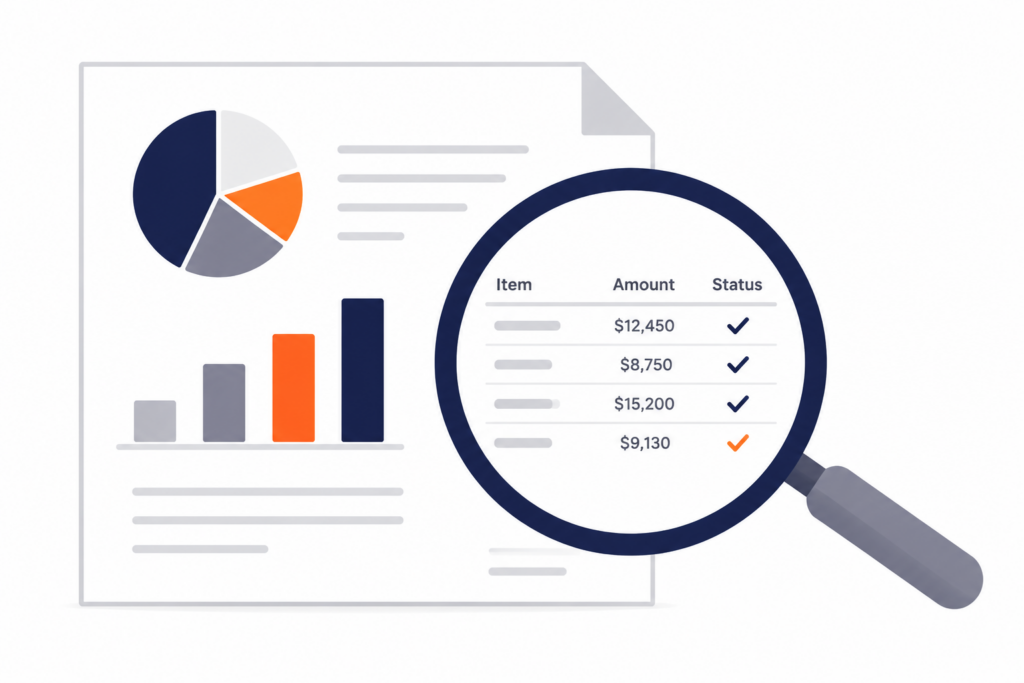
Item 6 is typically presented in a table format covering fee type, amount or calculation method, due date, and remarks. This allows prospective franchisees to review every fee obligation in one place before signing a franchise agreement.

Item 6

What Fees Are Disclosed in Item 6?

Item 6 must include recurring and occasional fees, other than Item 5 initial fees, that the franchisee must pay to the franchisor or its affiliates, or that the franchisor or its affiliates impose or collect for a third party.

Royalty Fee

Royalty Fee

The royalty fee is the most common Item 6 disclosure and the primary ongoing revenue stream for most franchisors. It is typically calculated as a percentage of gross sales, commonly ranging from 4 to 8 percent, and paid weekly or monthly throughout the franchise relationship.

Marketing and Brand Fund Fee

Marketing and Brand Fund Fee

Most franchise systems require franchisees to contribute to a shared marketing or brand fund, typically calculated as a percentage of gross sales. Some systems also require a separate local marketing spend. When both exist, each must be disclosed separately in Item 6.

Technology Fee

Technology Fee

Many franchise systems charge a technology fee for access to proprietary software or platforms required to operate the franchise. This fee must be disclosed in Item 6 whether paid directly to the franchisor, an affiliate, or imposed or collected for a third party.

Transfer, Renewal, and Other Event-Based Fees

Transfer, Renewal, and Other Event-Based Fees

Item 6 also covers occasional fees that arise during the franchise relationship. These include:

  • Transfer fees charged when the franchise is sold to a new owner
  • Renewal fees charged at the end of the franchise term
  • Additional training fees for required refresher programs
  • Audit fees for financial reviews conducted by the franchisor
  • Construction or remodeling fees required during the franchise term
  • Lease negotiation fees charged by the franchisor or an affiliate
item 19

How Item 6 Connects to Item 5

Item 5 covers fees paid or committed to be paid before the franchise opens. Item 6 covers all other fees, both recurring and occasional, paid or imposed during the franchise relationship. Reviewing both sections together gives prospective franchisees a complete picture of their total financial obligation to the franchisor and its affiliates over the life of the franchise agreement.

Common Mistakes Franchisors Make With Item 6

The two most common Item 6 errors are omitting fees imposed or collected for third parties and creating inconsistencies between Item 6 and the franchise agreement.

Any recurring or occasional fee imposed or collected by the franchisor or its affiliates, including fees collected for third parties, must appear in Item 6 unless already disclosed in Item 5. Inconsistencies between Item 6 and the franchise agreement must also be resolved before the FDD is issued. Mismatches between the two documents create compliance gaps and legal exposure under the Franchise Rule.

Item 6

Franchise Genesis

How Franchise Genesis Helps Franchisors Prepare Item 6

Accurate fee disclosure protects the franchisor and builds credibility with franchise candidates. Errors in Item 6 create legal exposure and can surface during due diligence in ways that damage the franchise sales process.

Franchise Genesis works with franchisors to prepare a franchise disclosure document that is fully compliant and built to support franchise sales. Experienced franchise attorneys are included in the development program. They structure Item 6 disclosures correctly, confirm all fees are captured, and make sure Item 6 aligns with the franchise agreement before anything is issued.

Contact Franchise Genesis to make sure every ongoing and occasional fee in your franchise system is captured and compliant before your FDD is issued.

Get Started Today!
Main Image
Questions

Frequently Asked Questions

What is Item 6 of the FDD?

Item 6 discloses all other fees, other than initial fees in Item 5, that a franchisee must pay to the franchisor or its affiliates, or that the franchisor or its affiliates impose or collect for a third party. It includes both recurring and occasional fees and is governed by 16 CFR 436.5(f).

What is the difference between Item 5 and Item 6?

Item 5 covers fees paid or committed before the franchise opens. Item 6 covers all other fees, both recurring and occasional, paid or imposed during the franchise relationship. Both sections should be reviewed together to understand the full financial commitment of franchise ownership.

Are ongoing fees negotiable?

Ongoing fees are usually set by the franchisor and disclosed in Item 6. Many franchisors avoid negotiating these fees because consistency helps protect the franchise system. If a franchisor offers different fee terms, the FDD and franchise agreement should accurately reflect the fees the franchisee is required to pay.

What happens if a franchisor changes its fees after the FDD is issued?

A change to ongoing fees may be a material change, especially if it affects what prospective franchisees are required to pay. Franchisors generally must update the FDD annually and amend it when a material change occurs before offering or selling franchises under the updated terms.