At a Glance: Franchising your business typically takes 4-6 months and requires building a complete franchise system from the ground up. You will create legal documents, operational frameworks, and sales strategies that allow others to replicate your successful business under your brand name.
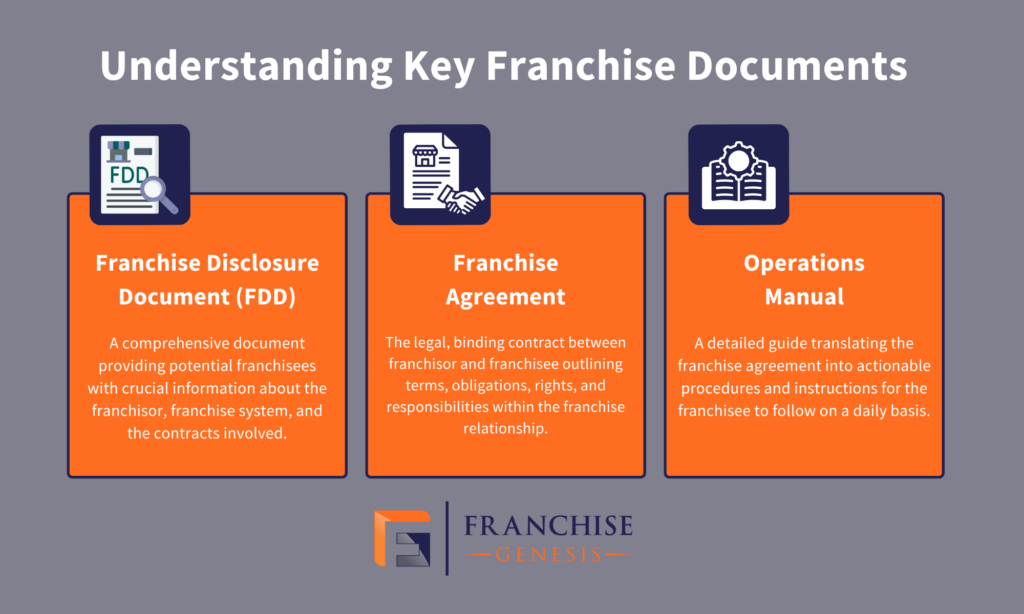
During this franchise development period, you will produce several deliverables: a Franchise Disclosure Document (FDD) meeting Federal Trade Commission requirements, a franchise agreement governing relationships, an operations manual documenting every process, a new franchisor entity, trademark registrations with the United States Patent and Trademark Office, and a franchise sales and marketing strategy.
The cost to franchise generally ranges from $75,000 to $175,000, based on legal complexity and scope. Lower-end costs cover the core franchise items needed to begin selling, while higher-end investments include additional marketing support. This investment creates the infrastructure that allows you to grow through franchisee capital rather than your own. Once complete, you will be positioned to recruit qualified franchisees who fund their own locations while paying you initial fees and ongoing royalties.
What Does It Mean to Franchise a Business?
Franchising is both a legal and business model that allows you to expand through independent owners. As a franchisor, you grant franchisees the license to open new franchise locations that duplicate your business model, use your trademarks, and benefit from your training and ongoing support. In return, franchisees pay initial franchise fees and ongoing royalties while investing their own capital to open and manage new locations.
The franchisor provides the proven business concept, brand name, intellectual property rights, initial training, and ongoing support. Franchisees bring capital investment, local market knowledge, and day-to-day operational commitment. Revenue flows to the franchisor through initial fees (typically $40,000 to $60,000), ongoing royalties (4% to 8% of gross sales), and advertising fund contributions. Your support obligations include site selection guidance, training programs, an operations manual, marketing assistance, and ongoing field support.
Some business owners consider licensing as an alternative, hoping to avoid legal requirements. This approach typically backfires. If your business relationship includes a trademark license, a required fee, and any significant control over business operations, franchise laws apply. The Federal Trade Commission and state regulators actively enforce these laws, and violations result in serious penalties.
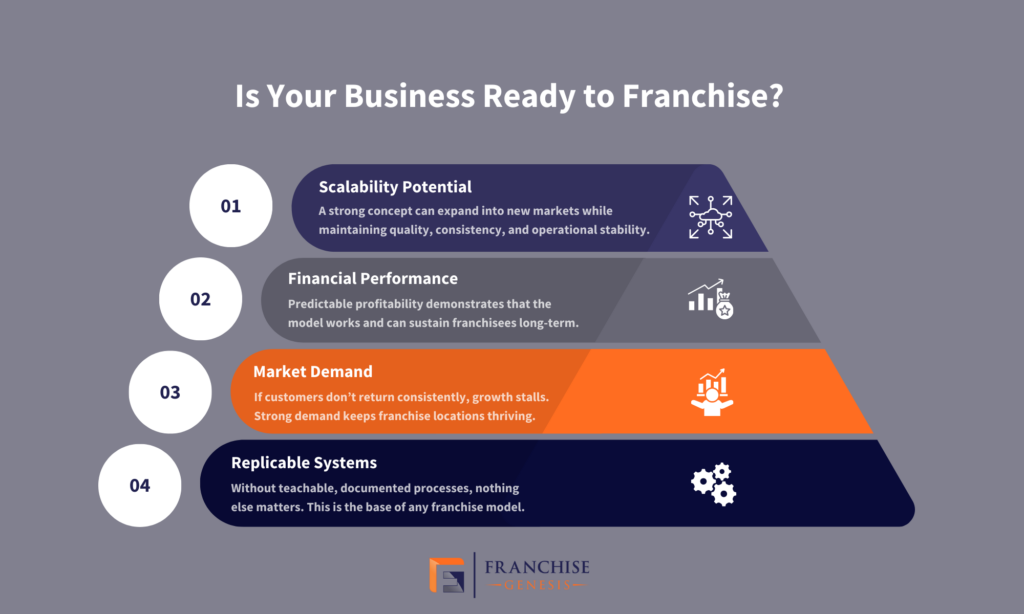
Is Your Business Ready to Franchise?
Not every successful business is ready to become a franchise. Before investing in franchise development, honestly assess whether your business has the characteristics that make franchising viable.
Check Your Readiness
Your business should meet these criteria before franchising:
- Scalability: Can someone else follow your documented processes and achieve similar results? If your success depends on your personal talent, relationships, or unique skills that cannot be taught, the business is not yet franchisable. Your systems must be transferable to owners with no prior industry experience.
- Profitability: Does your business generate consistent profits at the unit level? Potential franchisees need evidence that they can earn a reasonable return after paying your fees. If margins are too thin to support franchise fees and royalties while still providing franchisee income, the model needs adjustment.
- Demand: Is there customer demand beyond your current location? Your concept must work in multiple markets, not just your hometown. Consider whether your success is tied to local factors that may not exist elsewhere.
- Systematization: Can your business run without you present every day? You need documented procedures for every aspect of operations. If you are the secret ingredient that makes everything work, you need to capture that expertise in trainable systems before franchising.
- Track record: Do you have at least two to three years of successful operations demonstrating your business can weather market fluctuations? A proven track record gives prospective franchisees confidence in your system.
Franchise Feasibility Study
A franchise feasibility study provides an objective assessment of your readiness. This analysis examines unit economics, competitive landscape, and market potential to determine whether franchising makes sense for your specific business.
Key evaluation areas include:
- Unit-level financial performance and ROI potential for franchisees
- Competitive positioning against existing franchise opportunities in your industry
- Market size and growth potential across target territories
- Transferability of your business systems and brand appeal
Red flags that indicate you are not ready include thin profit margins that cannot support franchise fees, heavy reliance on the owner’s involvement, limited geographic appeal, and lack of documented operating procedures. Address these issues before moving forward with franchise development.
How to Franchise Your Business: Step-by-Step
The franchise process follows a logical sequence that builds your system from the ground up. Each step creates the foundation for the next.
Step 1: Strategic Planning & Development
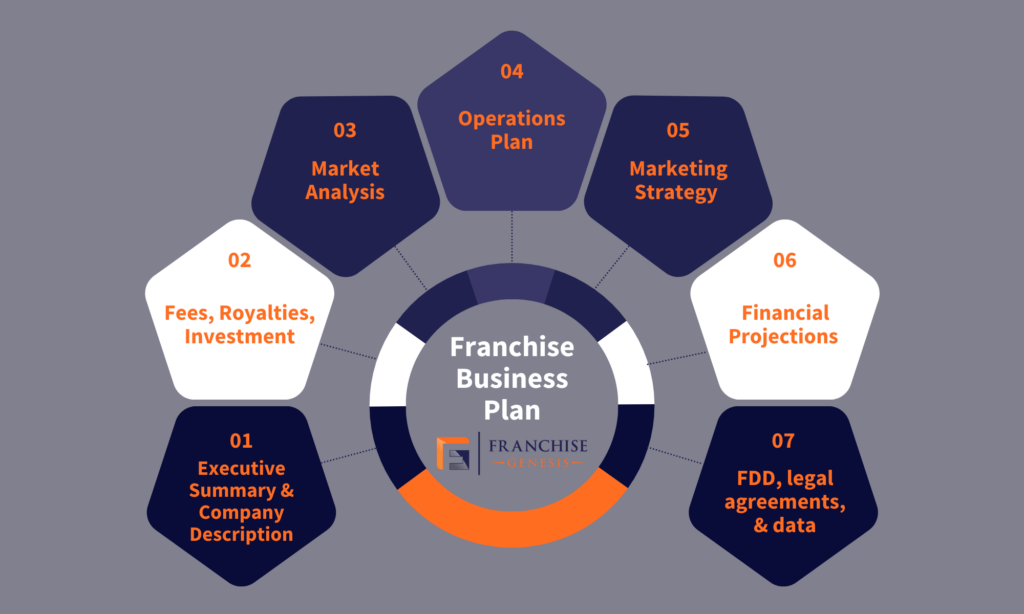
This is the blueprint phase, where you map out everything needed to scale your business into a franchise system. Think of your franchise business plan as the architectural blueprint for building something much bigger than a single successful location. You have proven your concept works. Now you need to show investors and potential franchisees that it can work at scale, across multiple markets, with different owners at the helm.
During this phase, you will define your franchise model, analyze your market, develop your territory strategy, and create financial projections for both franchisor and franchisee success. This planning forces you to answer tough questions about maintaining quality control, training new owners, and recruiting the right partners before committing significant resources.
Define Your Franchise Model
Determine your fee structure and what franchisees receive in return. Your franchise model should clearly outline:
- Initial franchise fee and ongoing royalty percentage (typically 4% to 8% of gross revenue)
- Advertising fund contributions and how those funds will be managed
- Territory rights, training programs, and ongoing support services
- Brand standards and operational requirements franchisees must follow
- Which franchise structure you will offer: unit franchise (single location), multi-unit franchise (multiple locations under a development schedule), or area developer (rights to develop and support other franchisees within a large territory)
Beyond the numbers, articulate what makes your opportunity compelling. This section of your plan must show your business is not just scalable but genuinely replicable by someone else without your daily involvement.
Conduct Market and Industry Analysis
Prove your concept has room to grow with data-backed research. Your market analysis should cover:
- Industry overview with market size and growth rates
- Target market demographics for both customers and potential franchisees
- Competitor analysis examining other franchise opportunities in your space
- Their fee structures, territory sizes, support offerings, and market positioning
- Geographic areas where your concept will succeed and where it may struggle
- Consumer behavior patterns and local market factors affecting demand
This analysis helps identify ideal territories and proves your concept is practically replicable across diverse markets. Understanding where whitespace exists and where saturation is a concern guides your expansion strategy.
Develop Your Territory Strategy
Smart territory planning protects franchisees while maximizing your growth potential. Determine:
- Appropriate territory sizes based on population, demographics, or geographic boundaries
- Whether territories will be exclusive or non-exclusive
- How will you prevent market saturation that could harm existing franchisees
- Development schedules for multi-unit agreements
- How will territory rights be defined in your franchise agreement
Build Financial Projections
Your financial plan must show viability for both you and your franchisees. Lenders and prospective franchisees need proof that the numbers work. Your financial statements/numbers must be verifiable and may include:
- Franchisor revenue projections from initial fees, royalties, advertising contributions, and other income streams
- Franchise cost structure and unit drivers, including startup investment ranges, ongoing fees, and common operating expense categories, along with non-financial factors that influence results such as market conditions, pricing, labor, and hours of operation.
- Guidance on evaluating breakeven and payback considerations, focused on the variables and assumptions that impact timing, without stating expected or typical timelines unless specifically disclosed in Item 19.
- High-level planning tools for candidates, such as sample budget frameworks or assumption checklists, to support independent financial modeling, with any pro forma or multi-year projections provided only if included in Item 19.
- Your own startup costs as a franchisor for legal work, operations manual, marketing, and support infrastructure
If you cannot show that franchisees will be profitable after paying your fees, you will struggle to attract quality partners. Conservative, realistic projections build credibility with both lenders and candidates.
Outline Your Support Structure
Define the support infrastructure you will build to help franchisees succeed:
- Initial training program content, duration, and delivery method
- Site selection assistance and buildout guidance
- Ongoing field support and communication cadence
- Marketing support, including national campaigns and local marketing tools
- Technology systems, supply chain management, and quality control standards
This strategic planning phase becomes your roadmap for everything that follows. A well-crafted plan is your most powerful tool for securing funding, attracting quality franchisees, and guiding your expansion decisions.
Step 2: Create the Legal Foundation (FDD and Franchise Agreement)
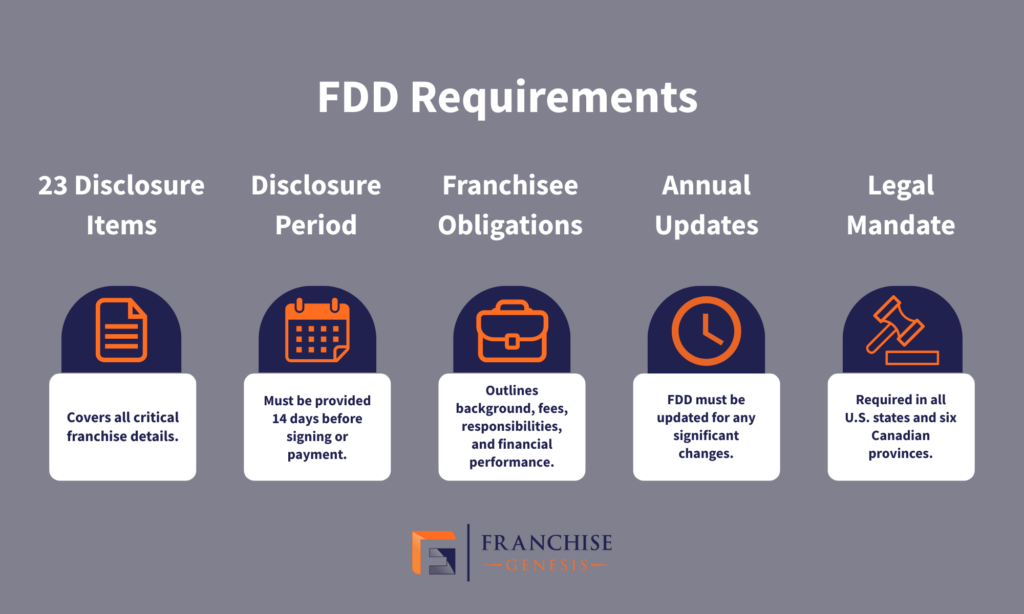
The Franchise Disclosure Document is required by the Federal Trade Commission and must be prepared by an experienced franchise lawyer. This legal document contains 23 specific items covering company history, litigation history, bankruptcy history, fees, franchisee and franchisor obligations, territory rights, trademarks, patents, financial statements, and all other material information prospective franchisees need to make an informed decision.
FDD requirements include:
- 23 disclosure items mandated by the FTC Franchise Rule
- Updated annually at the end of April each year.
- 14-day waiting period before signing or collecting fees
- State-specific amendments for registration and filing states
Your franchise agreement is the binding contract covering term length (typically 5 to 10 years), renewal rights, territory definitions, operating standards, royalty calculations, termination provisions, and transfer requirements. This agreement is included as an exhibit in your FDD and governs the entire franchisor-franchisee relationship.
Step 3: Protect Your Brand and IP (Trademarks and Trade Secrets)
Your brand is your most valuable franchise asset. Conduct a trademark search and register your business name, logo, and unique brand elements with the United States Patent and Trademark Office. Federal registration protects your intellectual property across all states and gives you legal recourse if others attempt to use similar marks.
Identify and protect trade secrets through confidentiality agreements and secure documentation practices. Proprietary recipes, unique processes, specialized techniques, and supplier relationships must be protected before sharing with franchisees. Your franchise agreement will include provisions governing intellectual property use and protection, but the foundational registrations should happen early in the process.
Step 4: Form the Franchisor Entity and Set Up Compliance Operations
Create a separate business entity (typically a limited liability company or corporation) for your franchising activities. This new franchise company will offer and sell franchises, receive fees and royalties, and provide franchisee support. Separating your franchise business shields your existing business from liabilities and simplifies financial reporting. FDD Item 21 requires financial statements prepared in accordance with applicable standards, and many franchisors will need audited financials depending on their history and the states where they register.
Step 5: Register and File Your FDD (State-by-State)
A common misconception is that FDDs must be registered with the federal government. There is no federal FDD registration requirement. Instead, certain states require registration or filing before you can offer franchises within their borders. In some states, if you do not have a federally registered trademark, you may also need to comply with business opportunity laws or additional notice filings before you can legally offer franchises there.
Registration states (including California, Illinois, Maryland, Minnesota, New York, Virginia, Washington, and Wisconsin) review your FDD before approving franchise sales. This review process can take several weeks. Filing states (including Florida, Kentucky, Nebraska, North Carolina, South Carolina, Texas, and Utah) require notice filings but do not review documents before you can sell. Your franchise lawyer will handle the specific requirements for each state you target and prepare state-specific amendments where required.
Step 6: Build the Operations Manual and Training Program
Your operations manual is the how-to guide for your entire franchise system. This confidential document captures every process, procedure, and standard that franchisees need.
A complete manual typically includes:
- Brand purpose, history, and vision
- Pre-opening and daily operating procedures
- Product and service specifications
- Approved suppliers and inventory management
- Marketing, sales, and financial management guidelines
Your training program complements the manual with hands-on instruction covering operations, sales, customer service, and management.
Step 7: Franchise Sales Strategy and Marketing
Marketing a franchise opportunity requires a different approach than selling to consumers. You are inviting entrepreneurs to invest their future in your model. This step combines your sales strategy, brand positioning, and marketing channels into a unified plan for attracting qualified franchisees.
Define Your Ideal Franchisee Profile
Before launching any marketing, create a detailed profile of your ideal franchise partner:
- Financial qualifications and available capital for investment
- Professional background and relevant industry experience
- Personality traits and values that align with your brand culture
- Management skills and the ability to follow established systems
This profile guides all your marketing efforts and helps you target the right candidates rather than wasting resources on unqualified leads.
Build Your Franchise Brand Story
Develop a compelling narrative that explains your mission and how the franchise opportunity can change a franchisee’s life. This is not your customer-facing brand. It is the story of why prospective franchisees should join your system, what makes your opportunity unique, and what success they can achieve. A strong brand story magnetizes your marketing and differentiates you from competing opportunities.
Launch Multi-Channel Marketing
Effective franchise lead generation uses multiple channels working together:
- Franchise brokers and consultants who connect you with pre-qualified candidates
- A dedicated franchise sales website serving as your 24/7 recruitment tool
- Franchise portals and online directories where candidates actively search
- Digital advertising through PPC, SEO, and social media (recommended after you have franchisee validation)
- Public relations and content marketing building credibility and brand awareness
- Franchise expos for in-person connections with serious prospects
Set Realistic Expectations
Understand that what sells franchises is unit economics and franchisee validation. Your first franchisees become your proof of concept. Their success stories attract future candidates more effectively than any paid marketing campaign. Build your sales process on trust and transparency, giving prospects ample time to review the FDD, ask questions, and complete validation calls with existing franchisees.
Step 8: Run Discovery, Due Diligence, and Award the Franchise
The discovery process educates prospective franchisees about your opportunity while you evaluate their fit. This mutual assessment takes several weeks and includes multiple conversations, document reviews, and validation activities. If you include financial performance representations in Item 19 of your FDD, be prepared to discuss them in detail. Candidates will scrutinize these numbers and compare them to industry benchmarks.
Encourage validation calls with existing franchisees so prospects can hear directly from owners about their experience. Your franchisee contact information is disclosed in your FDD, so candidates can reach out on their own. Make sure your franchisees are prepared for these calls and understand their importance in the sales process.
Discovery Day brings qualified candidates to your headquarters or flagship location. This in-person visit allows them to experience your culture, meet your team, and see operations firsthand. It is also your final opportunity to assess whether this candidate is right for your system. After Discovery Day, make your award decision and proceed with the franchise agreement signing.
Should You Franchise? The Real Pros, Cons, and Tradeoffs
Franchising offers tremendous growth potential, but it comes with real tradeoffs. Understanding both sides will help you make an informed decision about whether this expansion path fits your goals and personality.
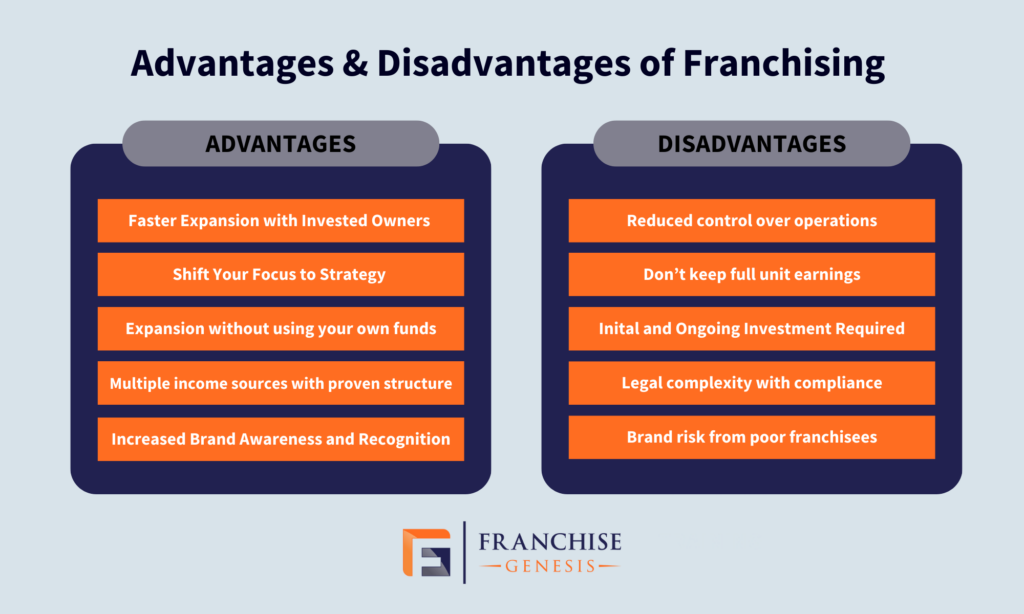
Advantages vs Disadvantages
- Rapid growth using franchisee capital rather than your own, allowing expansion without taking on debt or giving up equity
- Motivated operators who have skin in the game often outperform hired managers
- Brand expansion and recognition through each new location, serving new markets
- Economies of scale improve purchasing power and supply chain efficiency across the network
Disadvantages of Franchising:
- Reduced control over day-to-day operations at individual franchise locations
- Shared profits through royalties rather than keeping full unit earnings
- Significant support obligations requiring ongoing investment in training, field support, and marketing
- Legal complexity with federal and state compliance requirements
- Brand risk from underperforming franchisees who can damage your reputation
The Mindset Shift: Operator to Franchisor
Becoming a franchisor requires a fundamental change in how you think about your business. You transition from doing the work to teaching others how to do it. Your daily focus shifts from serving customers to supporting franchisees. Brand protection becomes your primary responsibility, and you become a coach and mentor rather than an operator. This shift is not easy for hands-on business owners, but it is necessary for franchise success.
Costs and Revenue Streams: What You Should Expect to Invest and Earn
Understanding the financial commitment and return potential is fundamental to making an informed franchising decision.
Initial Franchise Development Costs:
- Legal fees for FDD and franchise agreement preparation
- Operations manual development
- Trademark registration and protection
- Franchise sales website and marketing materials
Franchisor Revenue Streams:
- Initial franchise fees ($40,000 to $60,000)
- Ongoing royalties (4% to 8% of gross sales)
- Advertising fund contributions (1% to 4% of gross sales)
- Wendor rebates and proprietary product sales
The cost to franchise typically ranges from $75,000 to $175,000, depending on legal complexity, scope, number of registration states, and whether marketing support is included. Investing properly in legal protection, training systems, and marketing infrastructure pays dividends as your franchise grows.
Strategies That Make Franchisors Win (and Common Mistakes)
Strategies for Franchise Success
- Set realistic goals: Plan your five-year strategy before launch. What does success look like in years one, three, and five?
- Research competitors thoroughly: Know their fees, territory sizes, and support offerings. Position competitively.
- Build multi-unit readiness from day one: Structure your FDD to allow both single-unit and multi-unit sales.
- Prepare for multi-state compliance: Have your lawyer prepare your FDD for all states from the start.
Mistakes to Avoid
- Weak brand story: Generic messaging fails to differentiate your opportunity
- Rushing into PPC: Paid advertising wastes money before franchisee validation
- Underfunding support: Cutting corners damages reputation and retention
- Legal shortcuts: Inexperienced lawyers create compliance risks
Franchise Genesis: Your Partner in Building a Lasting Legacy
Franchising turns a successful business into a scalable system that creates opportunities for other entrepreneurs while building your brand nationwide. You have already proven your business model works. Now imagine that success multiplied across dozens or even hundreds of locations, each run by passionate owners invested in your vision.
The journey from business owner to franchisor is an exciting entrepreneurial adventure. It is also filled with complex legal and operational challenges that demand specialized knowledge. The right partner transforms your business model into a scalable system, navigates regulatory requirements, and helps you attract dedicated owner-operators who will represent your brand with pride.
At Franchise Genesis, we are more than consultants. We are strategic partners in building a lasting legacy. From initial feasibility analysis through franchisee recruitment and beyond, we handle the technical complexities of legal documentation and system development so you can focus on sharing your vision. Our team brings the legal, operational, and marketing expertise needed to systematize your business and attract the right partners.
Your business already has something special. The only question is whether you are ready for the next step.
FAQs About Franchising Your Business
How long does it take to franchise a business?
The franchise development process typically takes 4 to 6 months from start to being legally ready to sell franchises.
How much does it cost to franchise a business?
The cost to franchise typically ranges from $75,000 to $175,000, depending on legal complexity, scope, and whether marketing support is included.
Do I need a franchise lawyer?
Yes. Only a licensed franchise attorney can prepare your FDD and franchise agreement, advise on compliance, and handle state registrations.
What is in an FDD, and when do I deliver it?
The FDD contains 23 items required by the FTC. You must deliver it to prospective franchisees at least 14 days before they sign any agreement or pay fees.
What if I want to license instead of franchise?
Licensing is not a shortcut. If your arrangement includes a trademark license, fee payment, and operational control, it legally qualifies as a franchise.
What support do franchisees expect after opening?
Franchisees expect ongoing field support, marketing assistance, operational guidance, and access to updated training. Your obligations should be clearly defined in your franchise agreement.