Understanding the Core of a Franchising Business
So, what is franchising business? At its core, franchising is a strategic alliance for growth. The established business owner (the franchisor) grants an independent operator (the franchisee) the right to run a business using the franchisor’s successful brand, trademarks, and operating methods.
It’s a model for replicating a winning formula. The franchisor provides the blueprint, brand recognition, and ongoing support. The franchisee invests their own capital and manages the day-to-day operations. This allows a business to expand rapidly into new markets and increase its brand presence without the franchisor funding and managing every new location.
I’m Monique Pelle Kunkle, VP of Operations at Franchise Genesis. My expertise lies in guiding business owners through the strategic phases of structuring and growing their franchise model. Ready to see how your business can open up this kind of growth?

As a franchisor, you are licensing your intellectual property – your trade name, trademarks, and business system – to franchisees. This relationship typically falls into one of two categories:
- Business Format Franchising: This is the most common type. The franchisor licenses their brand and provides a complete system for operating the business, including training, marketing strategies, and operational manuals. This ensures a consistent brand experience.
- Product Distribution Franchising: This model focuses on the product. The franchisor licenses their trademark to a franchisee who then sells or distributes the franchisor’s products, like in car dealerships or soft drink bottling.
At Franchise Genesis, our focus is on helping businesses develop a robust business format franchise, as it offers the most comprehensive strategy to Franchise Your Business and build a network of committed partners.
Understanding the Core Definition of a Franchising Business
Franchising is a contractual relationship where the franchisee operates under the franchisor’s brand name and adheres to specific guidelines. The franchisor provides ongoing support and exercises control to maintain uniformity and quality. From a financial standpoint, the franchisee typically pays two main types of fees:
- Initial Franchise Fee: An upfront payment for the right to use the brand and systems, which helps cover the franchisor’s costs for recruitment and training.
- Ongoing Royalty Fees: Regular payments, usually a percentage of gross sales, for the continued use of the business model and ongoing support.
In the United States, the Federal Trade Commission (FTC) legally defines a franchise through its Franchise Rule. A franchise generally exists when three elements are present:
- Trademark: The franchisee is granted the right to operate under the franchisor’s trademark.
- Significant Control or Assistance: The franchisor exercises significant control over, or provides significant assistance to, the franchisee’s method of operation.
- Required Payment: The franchisee is required to pay the franchisor at least $500 within the first six months of operation.
Understanding these legal parameters is crucial when considering The FTC’s Franchise Rule for your expansion strategy, as non-compliance can lead to significant penalties.
Franchising vs. Traditional Business Expansion
When looking to expand, you can either open new company-owned locations or franchise. For many businesses, franchising offers compelling advantages in capital, speed, and risk mitigation.
| Feature | Franchising | Traditional Corporate Expansion |
|---|---|---|
| Capital Investment | Lower for Franchisor: Franchisees use their own capital, reducing your direct financial outlay. | High for Company: You must fund all capital for new locations, making growth slow and expensive. |
| Speed to Market | Faster: Multiple franchisees can open locations simultaneously, leading to swift market penetration. | Slower: Expansion is limited by your available capital and internal resources. |
| Human Resources | Motivated Owner-Operators: Franchisees are invested owners who manage their own staff, reducing your HR burden. | Direct Employees: You are responsible for hiring and managing all staff, increasing overhead. |
| Local Market Expertise | Leveraged: Franchisees bring valuable local market knowledge and community connections. | Developed Internally: Your corporate team must research and learn each new market from scratch. |
| Risk Mitigation | Shared/Reduced: Operational risks are largely borne by the franchisee. | Centralized: You bear the full financial and operational risk for every new location. |
| Brand Building | Accelerated: A larger network of locations rapidly increases brand recognition. | Organic/Controlled: Brand building is managed centrally and is typically slower. |
The Strategic Advantages of Turning Your Business into a Franchise
When you’re ready to scale your successful business, franchising offers a strategic pathway to growth. It allows you to build a network of passionate business partners who invest their own capital to expand your brand.
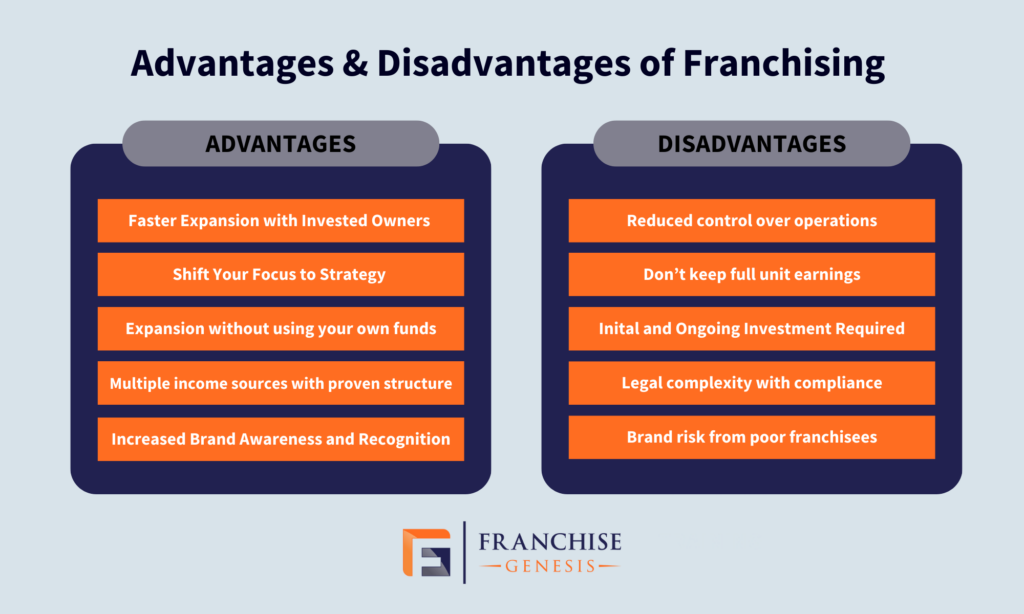
The beauty of what is franchising business becomes clear when you examine the benefits. Instead of slowly opening one location at a time, you can achieve rapid expansion and market penetration as franchisees bring their own investment and local energy. This accelerated growth creates a powerful ripple effect for increased brand recognition, making your brand a household name in multiple communities simultaneously.
What makes this model particularly compelling is that franchisees are motivated owner-operators. Having invested their own money, they are deeply committed to their location’s success, often resulting in superior customer service and operational excellence compared to hired managers.
From a financial perspective, franchising requires a lower capital outlay from you, as franchisees fund their own units. This frees up your capital to improve systems and support your network. Franchising also creates multiple new revenue streams, including initial franchise fees for upfront income and ongoing royalties for a predictable, scalable revenue base. This isn’t just about making money—it’s about building a lasting legacy. For business owners ready to explore this powerful growth strategy, understanding Why You Should Franchise is the first step.
How Franchisors Make Money
Understanding the financial mechanics of what is franchising business reveals its appeal to business owners. As a franchisor, you build multiple income streams that create both immediate returns and long-term stability.
- Initial Franchise Fees: This is the upfront investment a franchisee makes to join your system, typically ranging from $25,000 to $100,000+. This fee helps cover your costs for recruiting, training, and initial support.
- Ongoing Royalties: This is the real financial engine of franchising. Most franchisors collect 4% to 8% of each franchisee’s gross sales on an ongoing basis. These regular payments create a predictable and scalable revenue stream that grows with your network.
- Marketing Fund Contributions: Many franchisors collect an additional 1% to 3% of gross sales for a collective advertising fund. This supports system-wide marketing campaigns that benefit all franchisees and strengthen the brand.
- Supplier Relationships and Product Sales: Some systems generate revenue through rebates from approved suppliers or by selling proprietary products to franchisees. This also helps ensure quality control across all locations.
- Other Fees: Additional revenue can come from fees for advanced training, transfers when a franchisee sells their unit, and renewals of the franchise agreement.
This financial model is powerful because franchisees handle most day-to-day operational expenses and risks. For business owners evaluating their options, understanding The Cost to Start a Franchise and Financing Options from the franchisee’s perspective is key to structuring an attractive system.
The Economic Power of the Franchise Model
When people ask “what is franchising business” in terms of economic impact, the numbers are impressive. Franchising is a cornerstone of the U.S. economy and a major force globally.

The scope of franchising in the United States is staggering. There are over 745,000 franchise locations that directly employ about eight million Americans. In 2022, these businesses contributed over $500 billion to the U.S. economy, accounting for a significant portion of private sector jobs and economic output.
This model is highly adaptable, operating successfully in over 75 different industry sectors, from home services and fitness to business consulting and education. This diversity demonstrates the flexibility of the franchise model for nearly any scalable business concept.
The global reach of franchising highlights its universal appeal. Countries like Australia, Canada, Brazil, and China have thriving franchise sectors, indicating that there is still tremendous room for new franchise systems to emerge and succeed worldwide.
When you franchise your business, you’re not just growing your company—you’re participating in a larger economic ecosystem that creates jobs, wealth, and opportunity.
The Process of Franchising Your Business
So you’ve built a successful business and are wondering what is franchising business could mean for your future. The journey from business owner to franchisor is a strategic process that requires careful planning and execution, typically unfolding over several months.

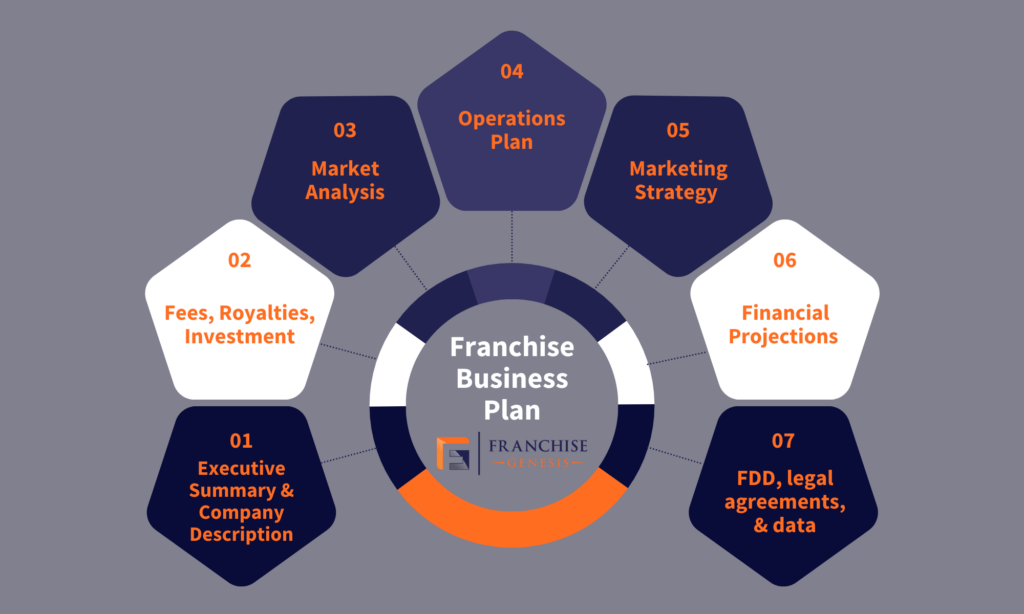
The process begins with due diligence and strategic planning, where you assess if your business is truly replicable. This is followed by the critical legal documentation phase, where your business model is translated into a protective legal framework. Next is system development, where you document your processes into comprehensive training and support materials. Once your foundation is solid, you move into marketing and sales to attract the right franchisees. Finally, the journey continues with ongoing franchisee support and growth, a long-term partnership focused on mutual success.
Key Legal Documents and Regulations
Understanding the legal side of what is franchising business is essential. These documents protect your brand and set clear expectations.
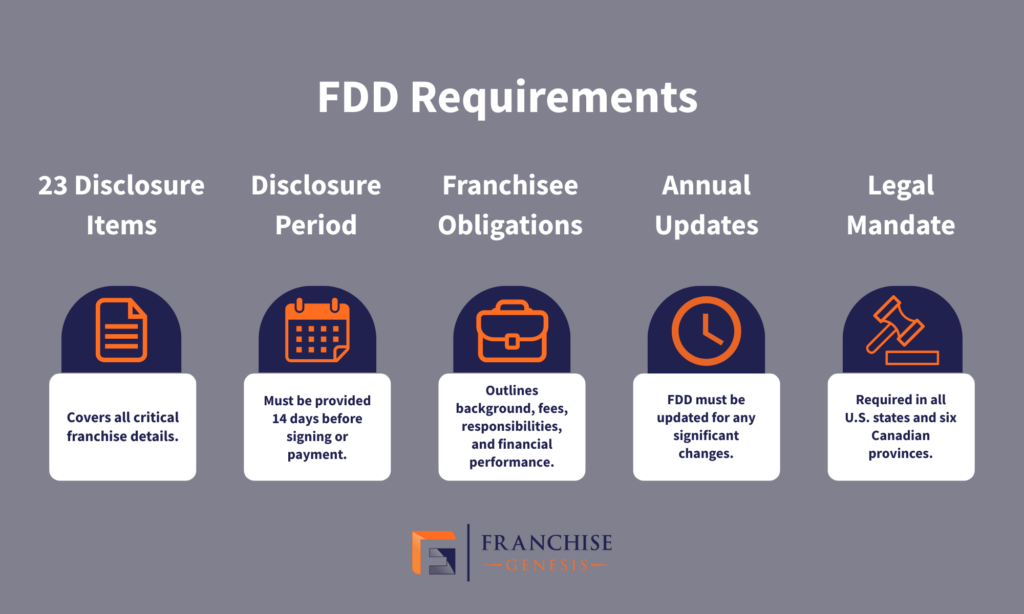
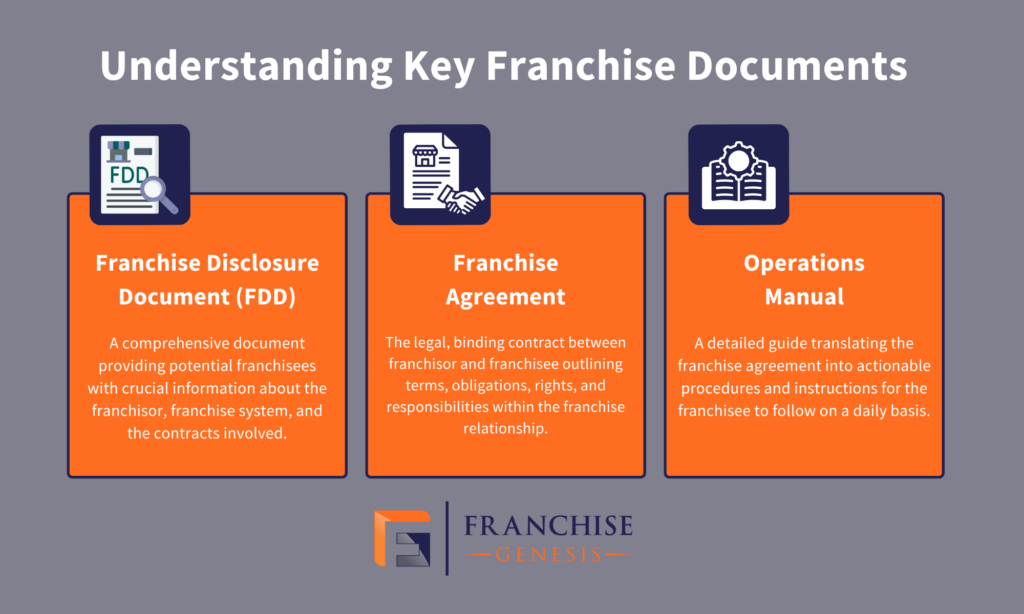
- Franchise Disclosure Document (FDD): This is a comprehensive legal document required by federal law. It must be given to prospective franchisees at least 14 days before any contract is signed or money is paid. The FDD contains 23 sections detailing everything from fees and investment costs to your company’s history and litigation.
- Franchise Agreement: This is the binding contract between you and the franchisee. It outlines the rights and obligations of both parties, including the license to use your brand, the term of the agreement, operational standards, and renewal terms.
- State-Specific Laws: Some states have their own registration and relationship laws that govern the sale of franchises and the franchisor-franchisee relationship. It’s crucial to steer this patchwork of regulations.
- Intellectual Property Protection: Your trademarks, logos, and trade secrets are the core assets being licensed. Ensuring they are properly registered and protected is non-negotiable. You can learn more about compliance at The FTC’s Franchise Rule.
Building Your Franchise System for Success
This phase transforms your successful business into a replicable system that others can follow.
The heart of your system is the Franchise Operations Manual. This comprehensive guide is your franchisee’s bible, documenting every process from pre-opening procedures and daily operations to marketing guidelines and financial management. Clear standard operating procedures (SOPs) are your key to maintaining brand consistency and ensuring a uniform customer experience across all locations.
Robust Franchise Training Success programs are also critical. This includes comprehensive initial training before a franchisee opens and ongoing training to keep the network sharp and aligned. Finally, effective supply chain management ensures quality control and can provide cost savings through volume purchasing from approved suppliers.
Marketing and Selling Your Franchise Opportunity
Now it’s time to find the right partners to join your franchise family. Effective Franchise Sales & Marketing is about attracting candidates who will be dedicated brand ambassadors.
First, define your ideal franchisee profile, considering financial capacity, business experience, and personality. This helps focus your marketing efforts. Franchise Lead Generation can be achieved through franchise portals, content marketing, and franchise brokers.
Your sales process should be structured to properly vet candidates. It typically includes an initial inquiry, a qualifying call, a detailed FDD review, and validation calls with existing franchisees. The final step is often a Findy Day (or “Meet the Team” day) at your headquarters, where you and the candidate can make a final decision on the partnership. The goal is not just to sell franchises but to award them to the right long-term partners.
Your Responsibilities and Risks as a Franchisor
Becoming a franchisor means shifting your role from running a business to guiding a network of entrepreneurs who carry your brand name. This comes with significant responsibilities and a new set of risks to manage.

When you understand what is franchising business from the franchisor’s perspective, you realize your primary job is brand protection. Every franchisee’s performance reflects on the entire system. This requires a commitment to ongoing support, as you become a mentor and problem-solver for your network. Your training obligations are continuous, ensuring the system evolves and remains competitive. With any partnership, the potential for disputes exists, requiring clear communication and fair enforcement of your franchise agreement.
Key Obligations in a Franchising Business Model
As a franchisor, your success is directly tied to the success of your franchisees. Your obligations are investments in your own growth.
- Initial Training: You must provide a comprehensive training program that transfers the operational, financial, and cultural knowledge needed for success.
- Site Selection Assistance: For location-dependent businesses, guiding franchisees through demographic analysis, lease negotiation, and site approval is critical.
- Marketing Support: This includes managing a system-wide marketing fund, developing brand campaigns, and providing local marketing materials and guidance.
- Field Support: Regular consultations, site visits, and performance reviews from your field team bridge the gap between corporate strategy and local execution.
- Technology: You are responsible for providing and supporting the core technology platforms (e.g., POS, CRM) that ensure operational consistency and efficiency.
- Research and Development: You must focus on the future by developing new products, improving systems, and tracking market trends to keep the brand competitive.
- Enforcing Brand Standards: This delicate but crucial task involves maintaining consistency across all locations through fair and clear enforcement of your operating standards.
Managing Risks and Maintaining Quality Control
Running a franchise system means entrusting your brand to others. Effective risk management is essential to protect your investment.
- Franchisee Selection: This is your first line of defense. A rigorous selection process that vets candidates for financial stability, work ethic, and cultural fit is crucial.
- Performance Monitoring: Use key performance indicators (KPIs) to track sales, customer satisfaction, and operational compliance, allowing you to identify issues early and provide support.
- Maintaining Consistency: Your brand’s reputation depends on customers having the same high-quality experience at every location. This requires clear manuals, ongoing training, and consistent communication.
- Adapting to Market Changes: You must stay ahead of consumer trends, new competition, and economic shifts, then guide your entire network through necessary adaptations.
- Legal Compliance: The franchise landscape is complex. Ongoing legal counsel is non-negotiable to ensure your FDD, agreements, and practices remain compliant with all regulations.
Managing these risks is about creating systems that encourage success while protecting your brand. For more insights, explore Franchise Growth Strategies.
Frequently Asked Questions about Franchising a Business
As you consider franchising, it’s natural to have questions. Let’s tackle some of the most common questions we hear from business owners about what is franchising business from the franchisor’s perspective.
How do I know if my business is ready to be franchised?
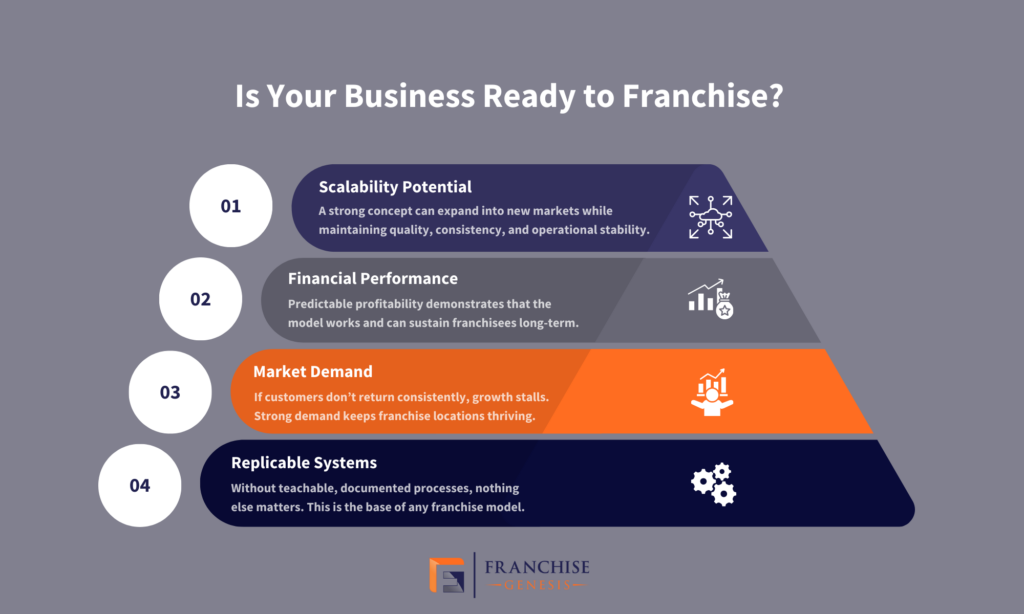
Deciding if your business is ready for franchising involves evaluating a few key factors. A strong candidate for franchising typically has:
- Proven Profitability: A consistent, strong financial track record that shows a clear path to a return on investment for a potential franchisee.
- Replicable Systems: Standardized and teachable operations that someone else can follow to achieve similar results without your specific background.
- Strong Brand Identity: A brand that customers recognize and trust, which will attract both customers and potential franchisees.
- Documented Processes: Clearly written procedures for every aspect of the business, from customer service to inventory, which will form the basis of your operations manual.
- Sufficient Market Demand: A concept that is appealing to customers in other geographic areas and can support multiple locations.
If you can check off these boxes, your business likely has the foundation to become a successful franchise.
What are the biggest challenges for new franchisors?
While franchising is rewarding, new franchisors face a unique set of challenges. Being aware of them is the first step to creating a strategy to overcome them.
- Finding the Right Franchisees: The goal is not just to find someone with capital, but a partner who aligns with your brand’s values and is committed to following your system.
- Providing Adequate Support: As your network grows, you must scale your support infrastructure to provide high-quality training, operational help, and marketing guidance to all franchisees.
- Managing Growth: Rapid expansion can strain your corporate team and internal systems. Growth must be managed strategically to avoid compromising the quality of your support.
- Ensuring Brand Consistency: Maintaining the same high-quality product and customer experience across all independently owned locations requires clear guidelines and diligent oversight.
How long does it take to franchise a business?
This is a common question. While the timeline can vary, the core development process to prepare your business for franchising typically takes about 4 to 6 months.
This timeframe generally includes these key phases:
- Strategic Planning: Mapping out your franchise model, including fees, royalties, territories, and support structures.
- Legal Documentation: Working with franchise attorneys to create your Franchise Disclosure Document (FDD) and Franchise Agreement in compliance with all laws.
- Operations Manual Development: Changing your business processes into a comprehensive, step-by-step guide for franchisees.
- Building Support Infrastructure: Setting up your training programs and ensuring your team is ready to support new franchisees.
After this initial development period, the journey of attracting and onboarding your first franchisees begins.
Take the Next Step in Your Business’s Evolution
You now see what is franchising business represents: a powerful strategy to transform your successful operation into a national brand. With over 745,000 franchise locations in the U.S. generating over $500 billion annually, the model is proven.
Your franchising journey starts with the valuable asset you already have: a successful business. The question is whether you’re ready to leverage it for exponential growth. Franchising allows you to build an empire where motivated owner-operators expand your vision, funded by their capital and driven by their local expertise.
It’s a partnership that accelerates growth while minimizing your financial risk. You provide the blueprint and brand power; your franchisees provide the investment and operational management.
At Franchise Genesis, we guide business owners through this exact change. Moving from business owner to franchisor requires expert guidance on legal documents, operations manuals, and franchisee recruitment. The world’s most successful brands have used this model, and your business could be next.
Ready to see how your business can evolve into a thriving franchise system? We’re here to help you steer every step of this exciting journey. Explore our services for franchisors and find how we can open up your business’s full potential.